An AI agent is a chat with a job
Same brain as the AI you already use. What changes is the working arrangement.
What you'll walk away with
- The three things every agent is made of, so you can spot them in anything you get sold
- A prompt that sketches an agent for one task you already do, and tells you honestly when a normal chat would do the same job
- The two questions to ask anyone at work who pitches you an agent
About three minutes to read, longer if you run the prompt on your own work.
The Idea
Everyone is talking about agents at the moment and almost nobody stops to say what one actually is. Which leaves most people nodding along in meetings about something they've never had explained.
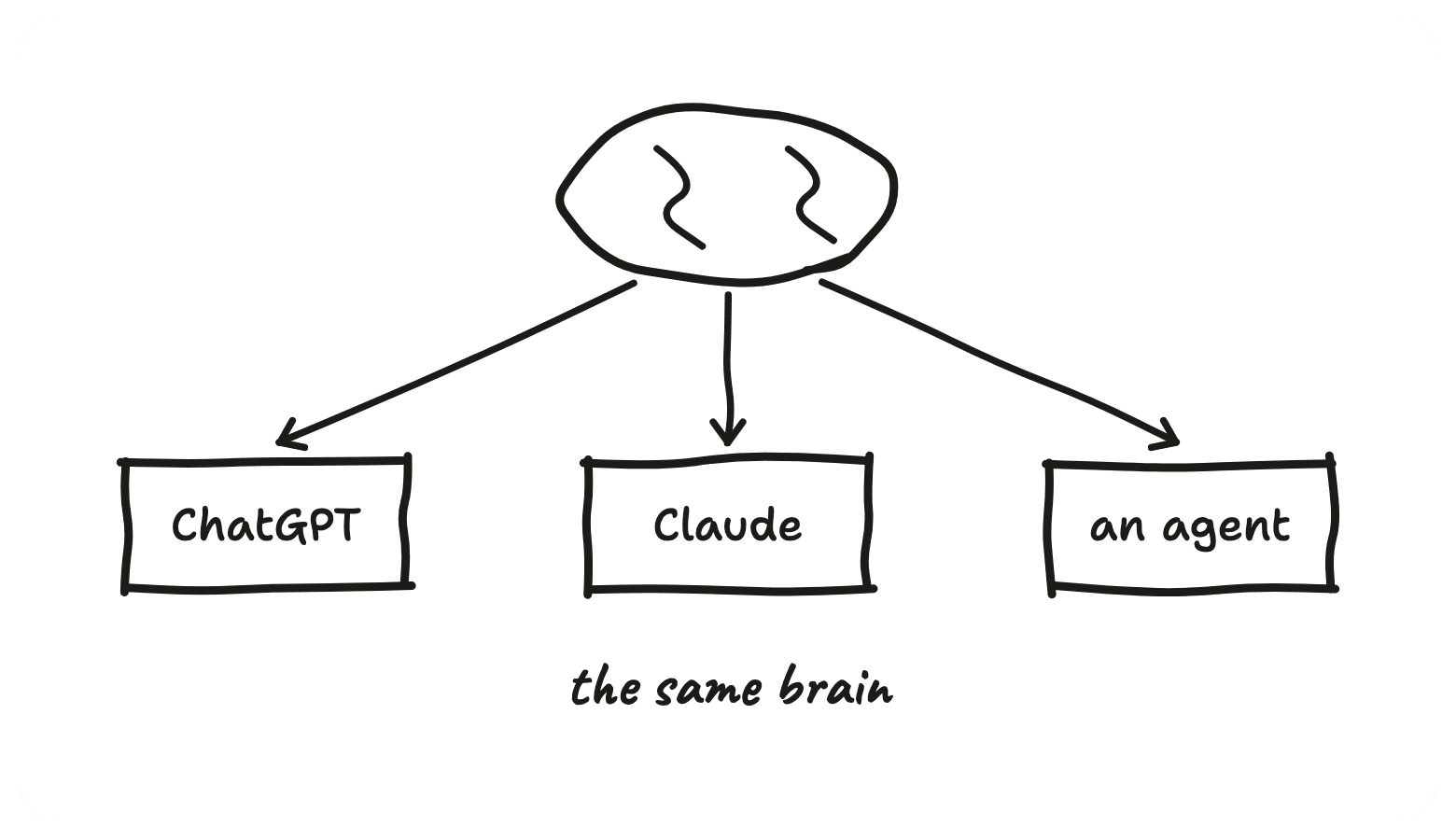
So here it is. An agent has exactly the same brain as the AI you already use every day. ChatGPT, Claude, whichever one your work gave you. It isn't a different, cleverer species of AI. It's the same thing you type into.
The only difference is the working arrangement. Think of the AI you talk to as someone sitting across the desk from you, brilliant, but with no login to anything, no idea how your company does things, and a habit of answering one question and then waiting for the next.
An agent is that same person, handed a written job brief, the keys to the systems, the background file for the job, and permission to keep working until it's finished. That's all an agent is. A chat with a job.
The Three Ingredients
Every agent you will ever be sold is made of these three things. If you can spot them, you can understand any agent anyone shows you.
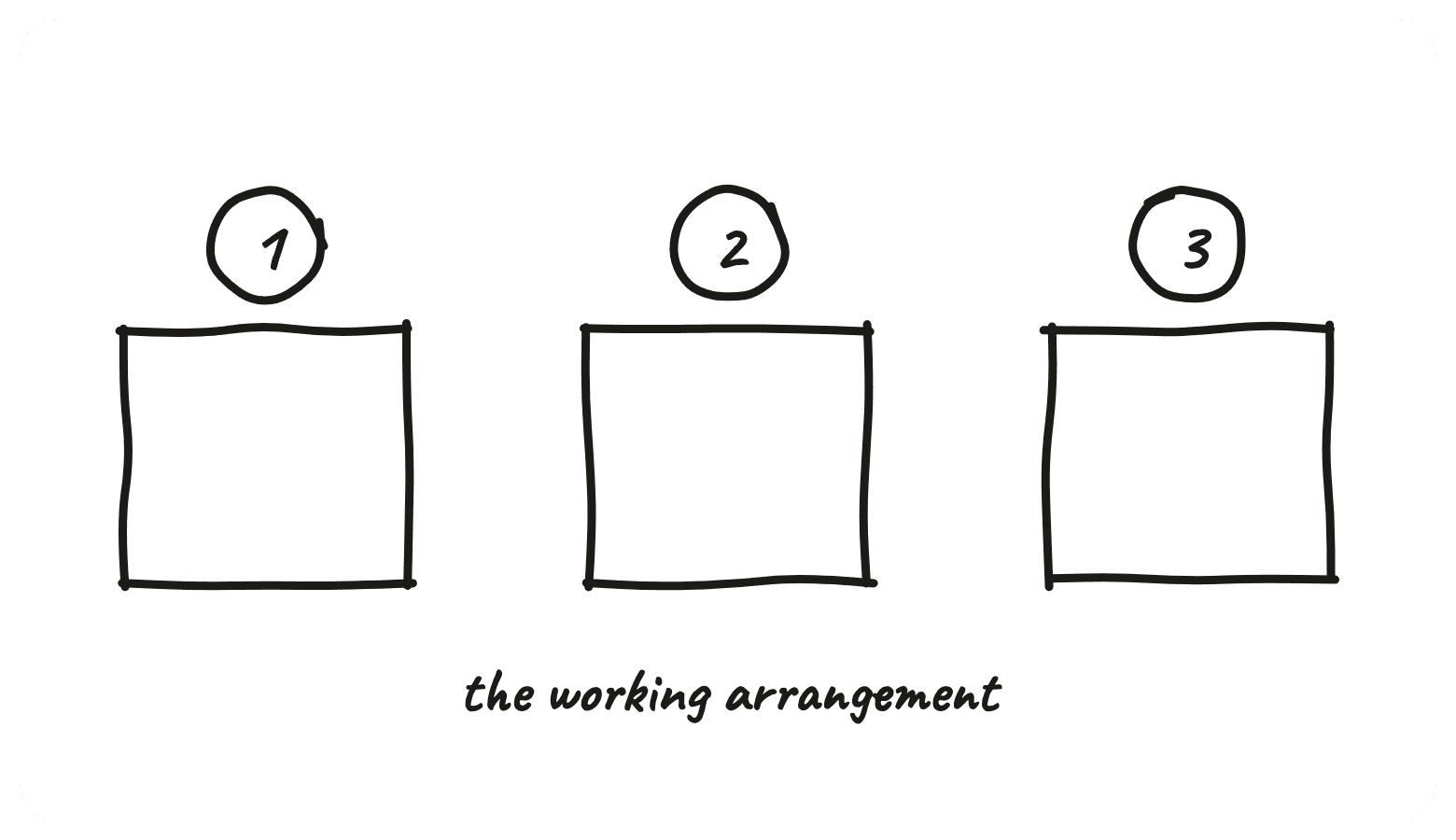
1A written brief
Its own standing instructions, sitting behind the chat, read before every single job. Same as the difference between explaining how you like something done every time you ask, and writing it down once for whoever picks the job up next. In practice that's a paragraph like "reply to customer emails in our tone, never promise a delivery date, and flag anything mentioning a refund to me before sending." You write it once. It behaves that way from then on.
2Tools
The keys to your systems, so it can actually do things rather than only tell you things. A new starter with brilliant instructions and no logins can write you a lovely email and nothing else. Give it access to the inbox and it sends the email. The shared drive, and it finds the file. The spreadsheet, and it updates the row. This is the part people miss, and it's the whole reason an agent feels different from a chat.
3Context
The background information for the job. Nobody can do good work on a task they know nothing about, however clear the brief is. So it gets handed the same things you'd hand a person before they started. The current price list, the customer's history, the notes from the last meeting, the document the job is about.
And Then Permission To Keep Going
In a normal chat, it answers and stops. Every step needs you to come back and prod it along. An agent is allowed to take the next step itself, look at what came back, notice it isn't right yet, and have another go, over and over until the job is genuinely done or it hits something it needs you for.
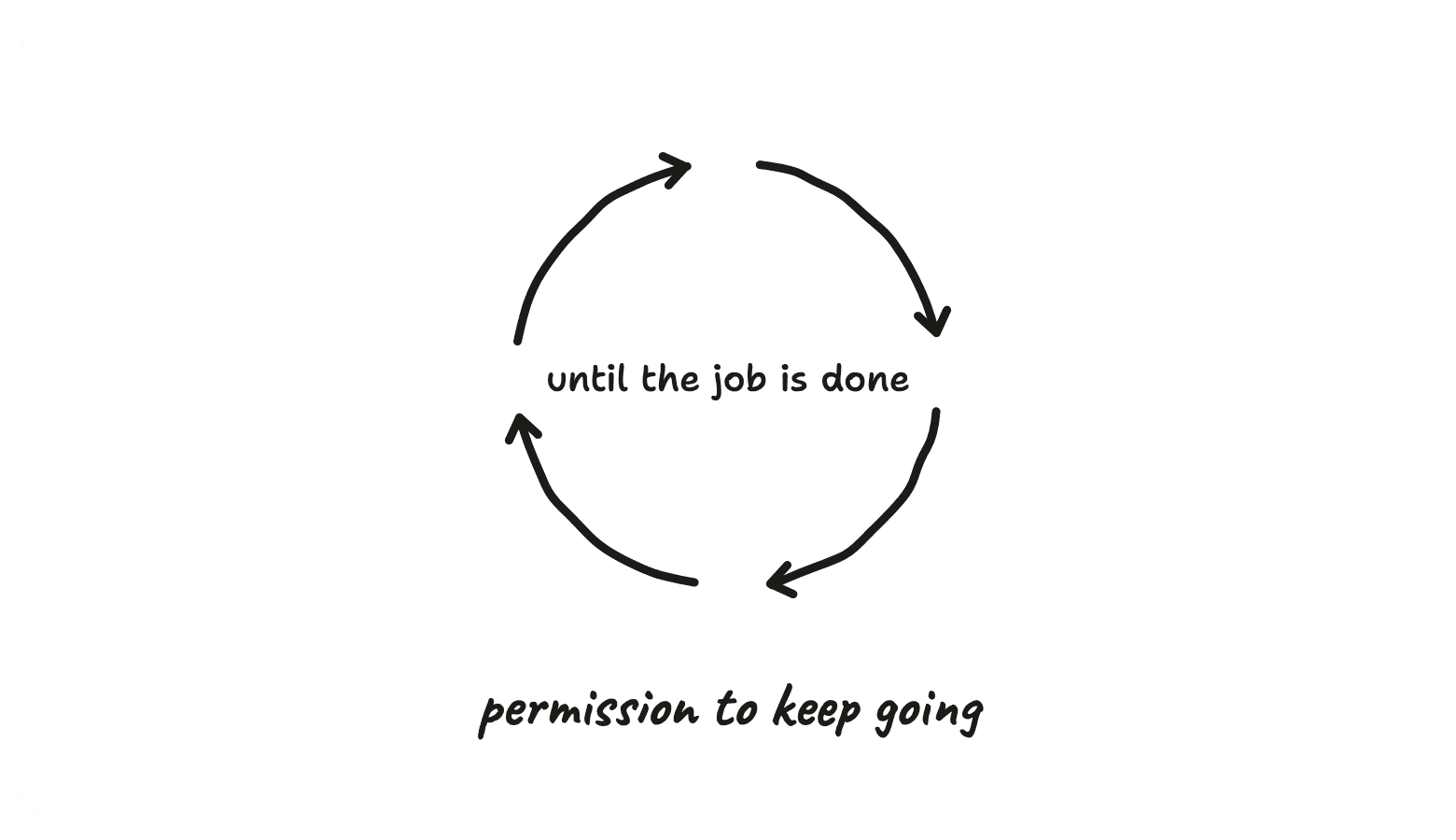
It's the difference between someone who answers your question and someone who goes away and comes back with it finished. Nothing more mysterious than that.
One Honest Bit
Simple to understand doesn't mean always right. The more freedom it has to act, the more ways it can go wrong while nobody is watching. A chat that gets something wrong costs you a minute of reading. An agent with the keys to your inbox that gets something wrong has already sent it.
Most jobs still only need the chat, and there is nothing behind the curve about that. An agent earns its place on the work you repeat often enough to be worth writing the brief for, and where you can check afterwards whether it did the job properly. The hard part was never the concept. It's making sure you're giving it the right instructions and the right information.
The Two Questions To Ask
Next time someone at work pitches you an agent, or a supplier turns up selling one, ask them two things. What are its instructions, and what tools does it have?
Those two answers tell you everything that matters. What it can actually do, what it can reach, and therefore what could go wrong. And if the person selling it can't answer them, it's a chat in a trench coat.
Write One For Your Own Job
The fastest way to understand agents is to sketch one for a task you already do. Paste this into Claude, ChatGPT, or whichever AI you have, exactly as written, and answer its questions. It interviews you first, writes the brief with you, and tells you honestly if the task doesn't warrant an agent at all.
Where This Goes Next
Each of the three ingredients has its own write-up. Replace line items, not job descriptions finds the first task in your week worth handing over. Teach AI to do a task your way is the written brief in practice, saved so you never re-explain it. And giving AI the keys to your tools is the part that turns telling you things into doing them.
If it's the first ingredient you want, the brief is your agent's personality is the deep dive on the written brief. The five things that go in one, and where it actually lives in the app you already use.
And tools are how your AI stops being useless is the second ingredient in full. Connecting your first app in two minutes, which ones to start with, the ones I would never connect, and why read only is a real option.
And the third is the context is what your agent actually knows. AI does not remember you, it reads, so this is the background file that stops every answer being written for anyone. A prompt that interviews you and writes yours, where to put it, and why more is not better.
Want to get better at this?
Let's set up your agent ecosystem.
This page is one job. The whole thing is a set of them running off the same foundation, the folder your AI works out of, the brief on how you like things done, the accounts it can reach and the skills that run off all of it, so your admin gets done the way you would do it. It is what I teach one to one, on your own machine and against your own work, and the quickest way to find out what yours would look like is a proper chat about it.
Not ready for a call? Start with the free agent series, what an AI agent actually is, and build up from there.