The locks on the internet are maths problems
Why you should care that AI has started solving maths problems, when you haven't done maths since school
What you'll walk away with
- What OpenAI and Anthropic actually announced, with links to both write ups
- Why the padlock in your browser is a maths problem, and what happens as machines get better at maths
- The honest scale of it, why nothing you use is broken, and what a mathematician would say about the headlines
What Just Happened
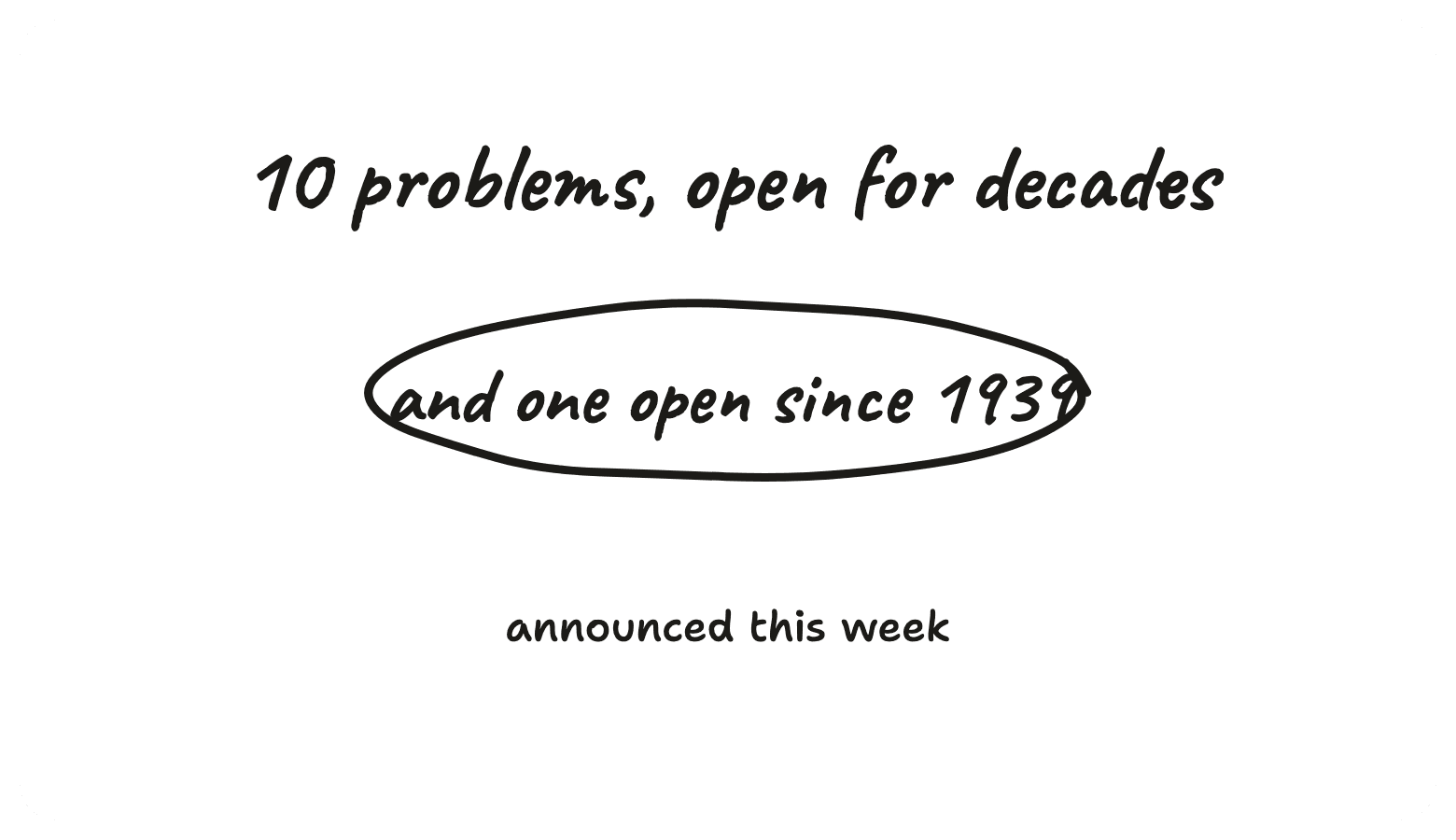
On 1 August, OpenAI announced that an unreleased model called Astra had produced results on ten open problems in maths and theoretical computer science — real research questions, some open for decades. Unusually for an AI announcement, every result came with a machine-checked formal proof: computer code that either passes or doesn't, so the logic isn't a matter of opinion.
Anthropic's models have been quietly picking off problems too. In July an Anthropic researcher settled the Jacobian conjecture, a question that had stood open since 1939, working with Claude. Earlier in the year Donald Knuth — one of the most famous computer scientists alive — published a graph problem Claude cracked from his own work. No single big announcement, just a steady drip of problems falling.
Mostly, This Is Brilliant News
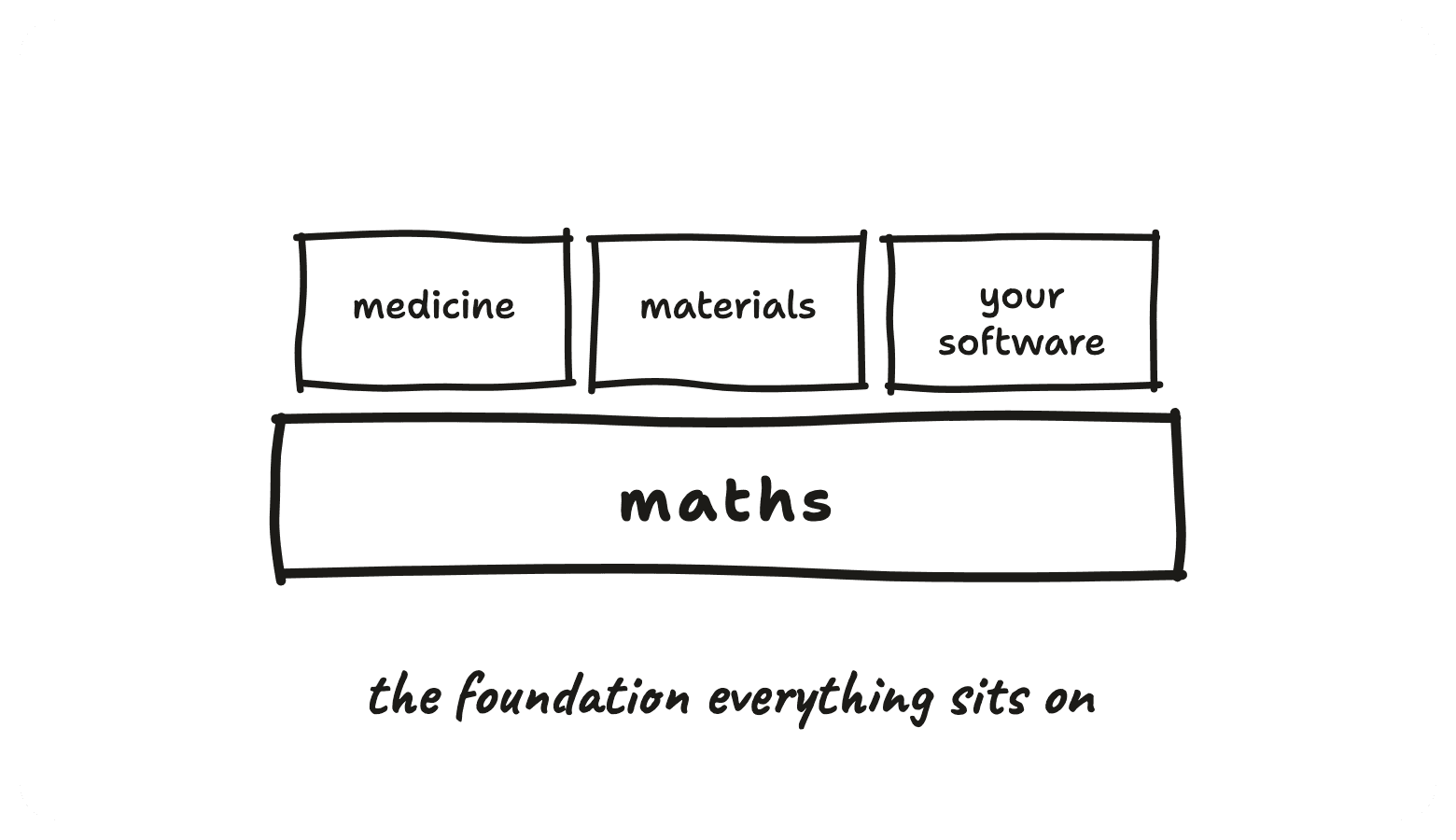
Maths is the foundation everything else sits on. Better medicine, better materials, better algorithms, faster software — somewhere upstream of every one of those is somebody solving maths. Machines that can genuinely push at open problems, and prove their answers in checkable code, speed up the layer that everything else is built on. That's the part of this story that deserves the excitement.
But The Locks Are Maths Too
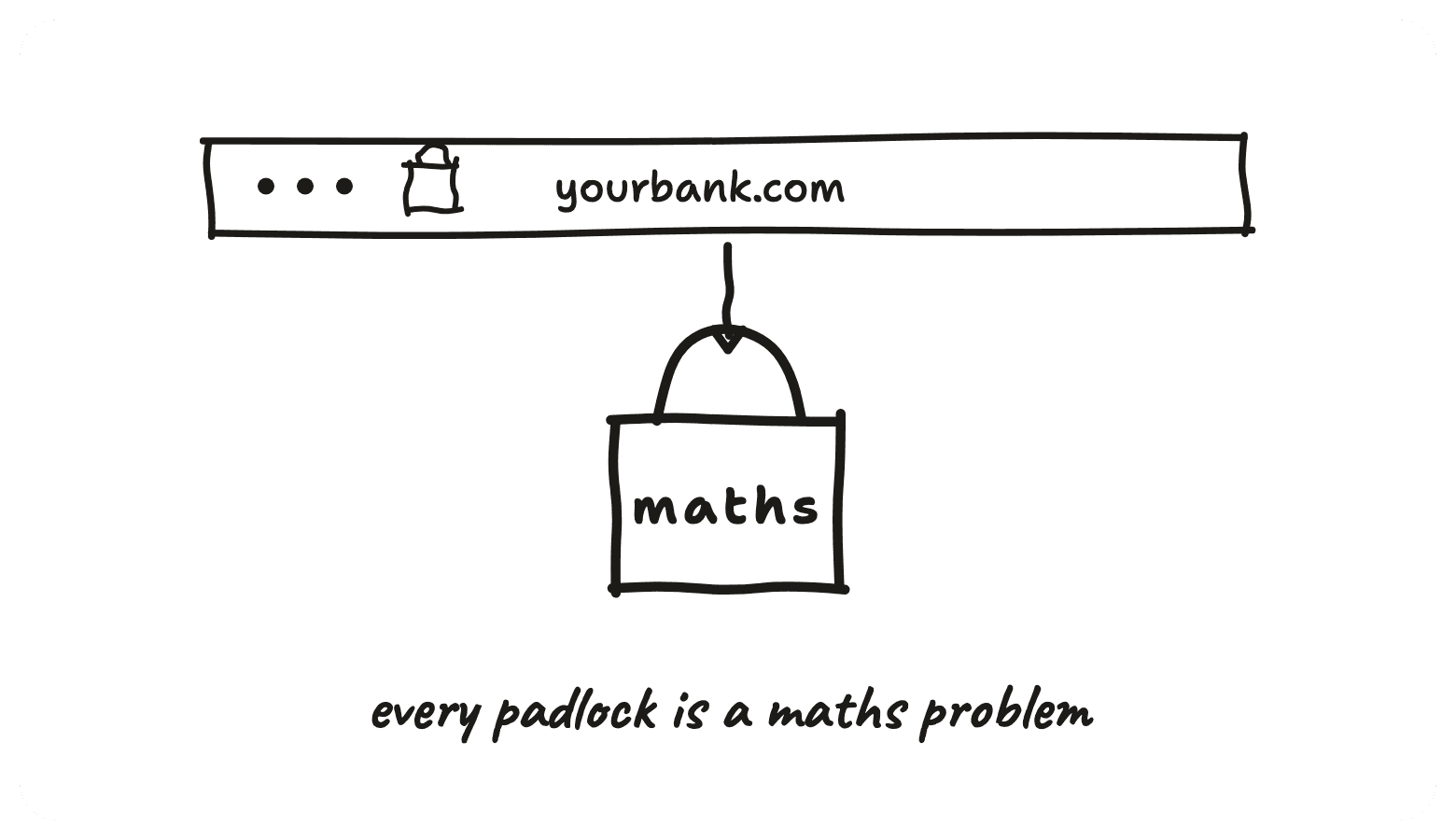
The security of the internet is fundamentally maths. Your bank login, your messages, that little padlock in your browser — every one of them works because scrambling data is easy but unscrambling it without the key requires solving a maths problem nobody has ever solved. Encryption isn't a wall, it's a bet: this problem is too hard for anyone.
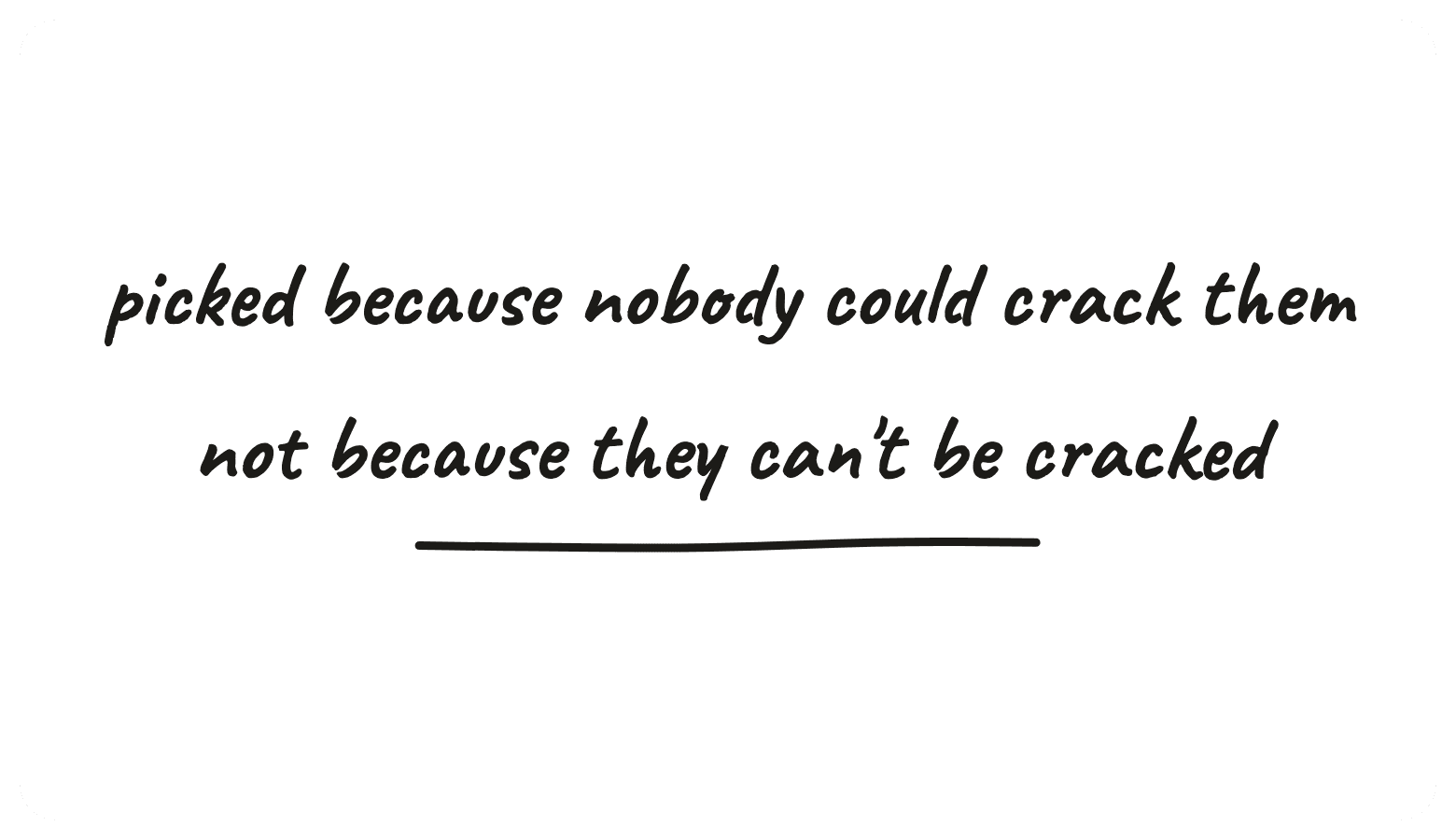
And we picked those problems because nobody could crack them — not because they can't be cracked. That distinction never used to matter much. It matters more in a world where machines grind at maths tirelessly, cheaply, and in parallel.
This Isn't A Theory
In late July Anthropic published research on its models probing encryption. Two results stand out. Their model found a structural weakness in HAWK, a candidate for the next generation of encryption standards — effectively halving its key strength in about 60 hours, after the scheme had survived two years of expert human review. And it invented a technique that speeds up a known attack on a deliberately weakened version of AES, one of the most widely used encryption schemes in the world, by hundreds of times.
Anthropic's own framing is the right one: neither result touches anything deployed today. But "an AI found in 60 hours what two years of human review missed" is exactly what a shrinking safety margin looks like from the inside.
The Honest Bit
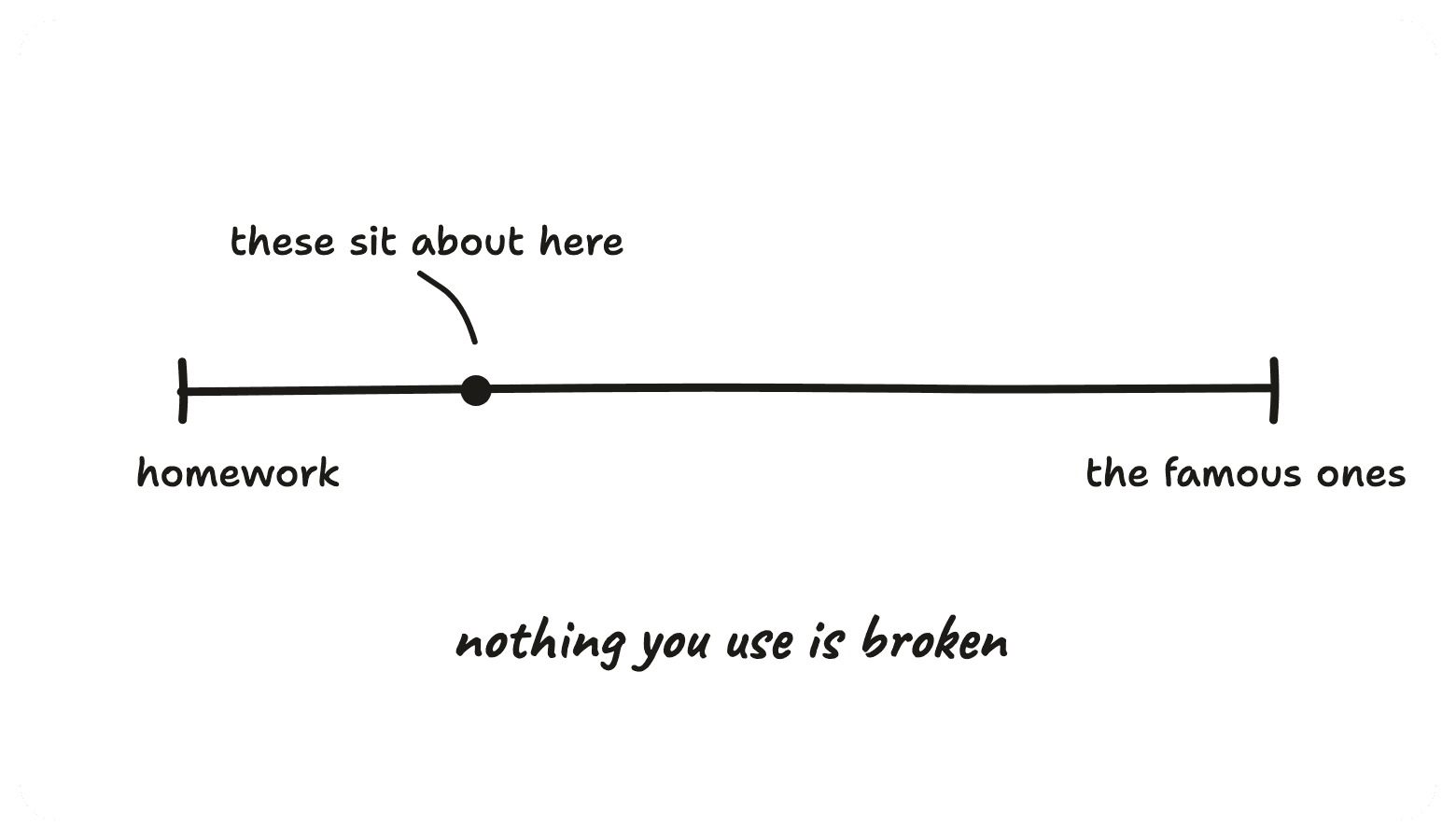
Nothing you use is broken. The new attacks are theoretical, and on the scale from "homework nobody bothered with" to "the famous problems that would rewrite textbooks", the solved conjectures sit closer to the homework end. None of the results has been through peer review yet, and by mathematicians' own reading the models are winning by grinding and recombining known techniques at inhuman speed rather than inventing new mathematics. A large group of mathematicians, including some of the most famous alive, has publicly criticised AI labs for announcing maths by press release — the scrutiny is real and it is not finished.
What It Means For You
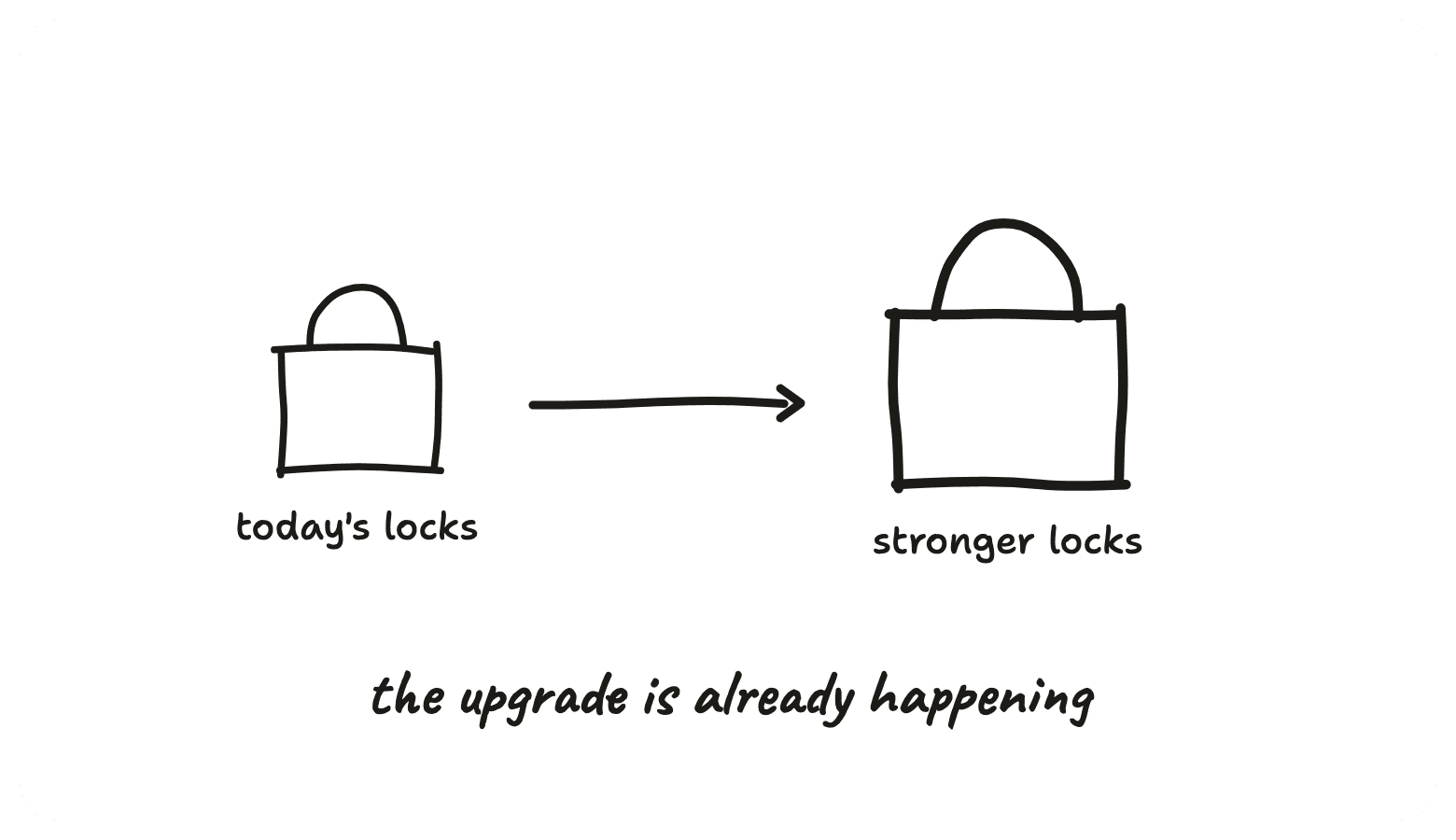
Honestly — not much you need to do. Your passkeys, your encryption, all of it is maths, and the people whose job it is to look after the locks are already moving to stronger ones; the migration to new encryption standards has been underway for years, originally because of quantum computing, and AI just adds a second reason to keep moving. The locks get upgraded through the boring updates your devices and your IT team push.
The real takeaway is smaller and more useful: next time you see a headline about AI solving some ancient maths problem, you'll know what you're actually looking at — the foundation layer of everything, including the internet's locks, starting to move.
Want To Think It Through?
No homework here — but if you want to sit with it a bit longer, start the conversation with whichever AI you use:
I've just read that AI models have started solving open maths problems, and that the security of the internet is fundamentally maths. Talk it through with me in plain English. What does that actually mean for a normal person, and what should I take from headlines like these? Ask me one question at a time and help me think it through.
Keep Going
The other big lab story of the summer — both labs' models getting out of their test environments without knowing it — is in The AI didn't know it was real. And if "the model grinds through known techniques" made you wonder what AI thinking actually is, that's What people actually mean when they say AI is thinking.
Want to get better at this?
Let's set up your agent ecosystem.
This page is one job. The whole thing is a set of them running off the same foundation, the folder your AI works out of, the brief on how you like things done, the accounts it can reach and the skills that run off all of it, so your admin gets done the way you would do it. It is what I teach one to one, on your own machine and against your own work, and the quickest way to find out what yours would look like is a proper chat about it.
Not ready for a call? Start with the free agent series, what an AI agent actually is, and build up from there.